
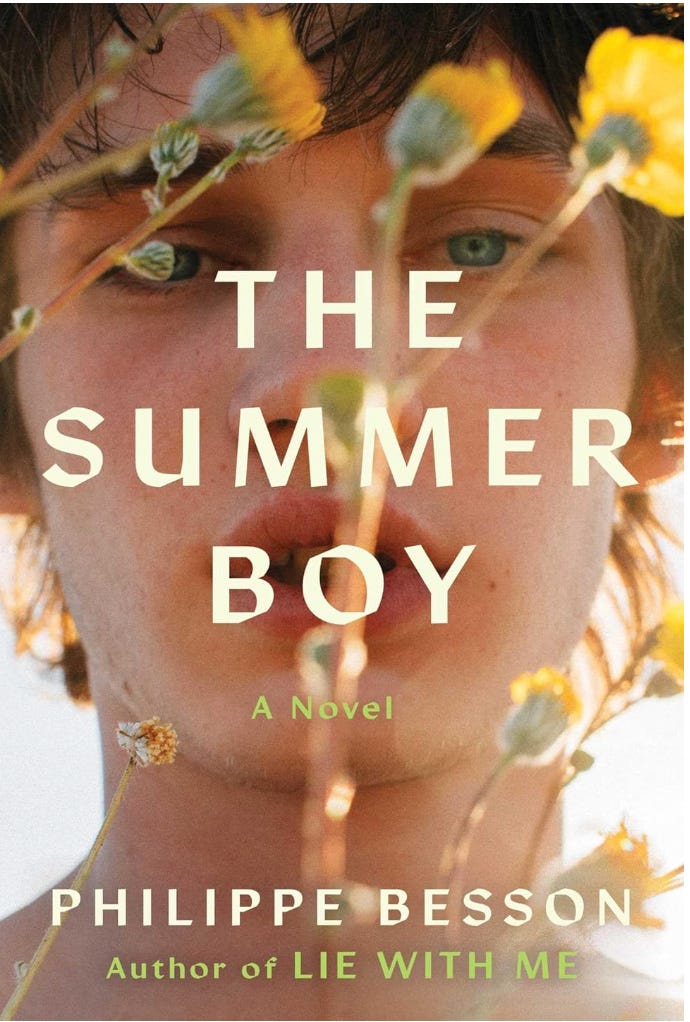
The Summer Boy

As the author of six novels for young adults (and a few still looking for homes), I’m often asked, “What is a young adult novel, anyway?”
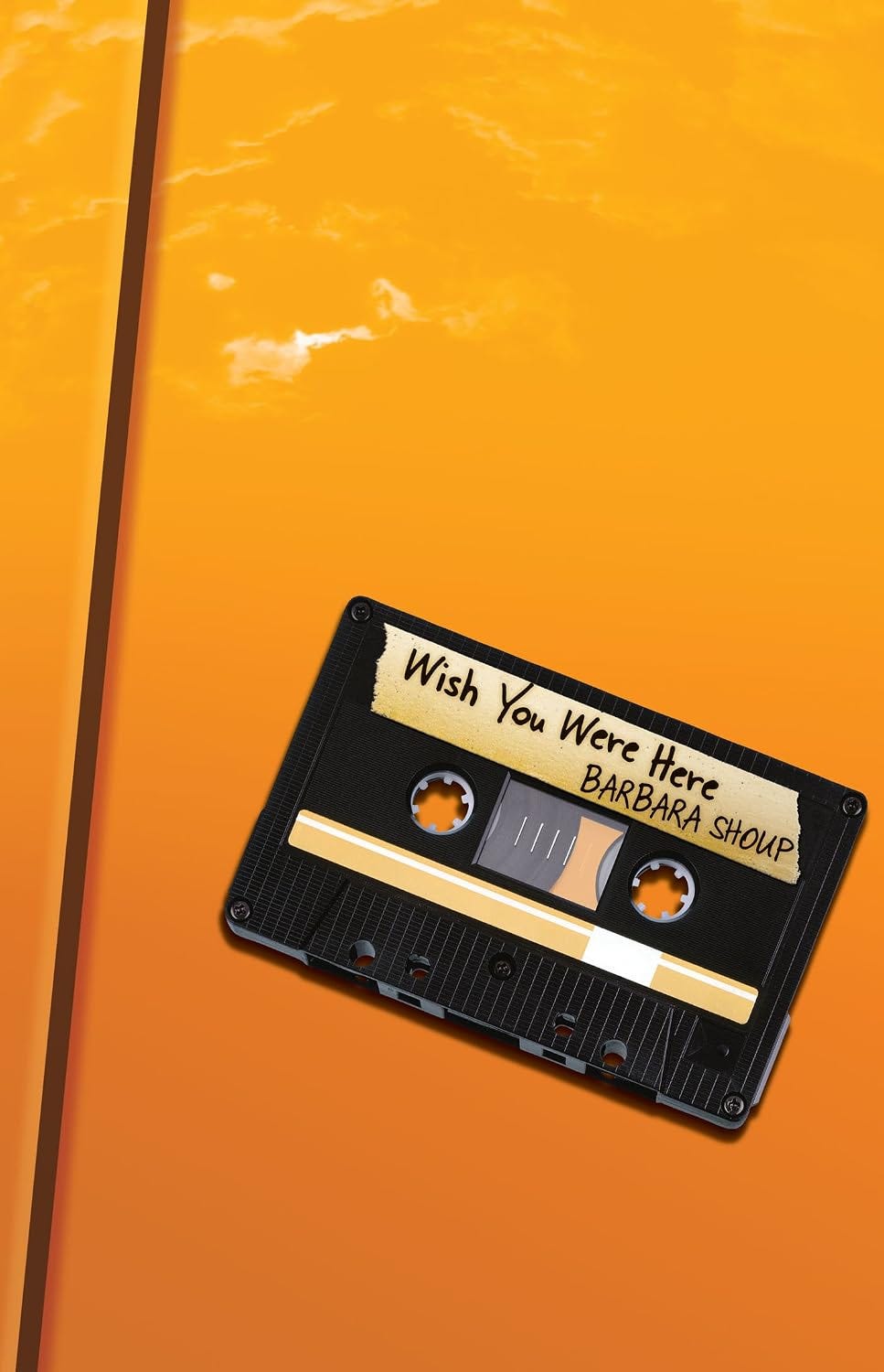
YA was a relatively new thing in the early 1990s, grittier and more real than the sappy, happy-ending “teen fiction” most serious young readers avoided. I didn’t know such a thing existed when I finished Wish You Were Here, a novel whose main character is struggling in the aftermath of his parents’ divorce. The book was inspired by my teenage writing students struggling with the same problem; Their parents were the audience I had in mind. Reading those kids’ journals had convinced me that most of them really didn’t have a clue about how they felt.
But my agent lobbied for sending the book out as a YA. I was leery; I didn’t want to get pigeon-holed as a writer of “teen fiction”. On the other hand, I hadn’t published a novel in twelve years and was desperate not to make it thirteen. So, I agreed—and the book was snapped up almost immediately. It got starred reviews, won some awards.
But adults read and liked the book, too, just as I thought they would.
Go figure.
Here’s what I know for sure: All good YA novels are one way or another coming of age novels, a well-respected genre long before novels with teenage protagonists began to be marketed as “young adult fiction”.
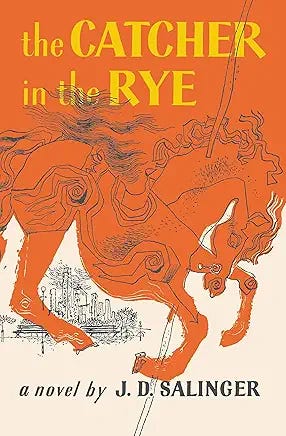
Think The Catcher in the Rye, by J.D. Salinger.
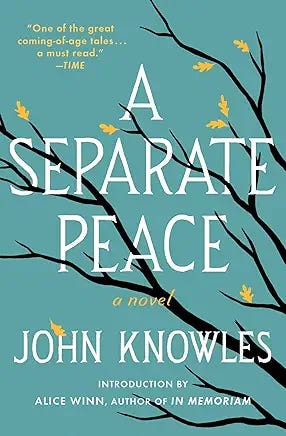
Think A Separate Peace, by John Knowles.
I love both books; they also illustrate what, for me, is the difference between a young adult novel and an adult coming of age novel.
The Catcher in the Rye begins: “If you really want to hear about it, the first thing you’ll probably want to know is where I’m from, and how my parents were occupied and all before they had me, and all that David Copperfield kind of crap.”
Holden Caulfield’s voice is raw, in-your-face, urgent, self-absorbed. He’s an adolescent telling the story of what happened to him not long ago to a psychiatrist at the mental hospital where he’s recovering from whatever it was.
A Separate Peace: “I went back to the Devon School not long ago and found it looking oddly newer than when I was a student there fifteen years ago.”
The voice of Gene Forrester is quieter, contemplative—the voice of an adult profoundly affected by an event in his adolescence that he still doesn’t understand.
Which brings me to The Summer Boy, by Phillipe Besson, a lovely, autobiographical novel that vividly evokes the intensity of the last summer of adolescence for a reader who’s eighteen, living their own last summer of adolescence or a reader nearly eighty, like me, remembering mine.
The book begins: “This morning, as I turned onto a street in the city where I live now, I thought I recognized his face, his walk.”
Phillipe’s voice is poignant, introspective. He’s an adult about to tell us a story about something from his past that still haunts him.
Then the book goes backward to 1985: “I am eighteen, and it’s summer.” And we’re right there, with him, in the present tense.
Phillipe, a gay, Parisian “brainiac” who will start university in the fall, has just arrived on an island off the coast of France, where he and his parents have summered for as long as he can remember. He immediately goes in search of his childhood friend, François, a good-looking kid who’s lived on the island all his life. Every morning he works with his dad, who parks his butcher van at the market. Having finished with secondary school, he’ll soon be working with him full-time.
Phillipe finds him smoking on the steps of a café with a boy he’s never met—
Nicholas, who’s a bit mysterious, recently moved to the island with his mother. No mention of a father. He’s “… skinny in the way of boys who’ve just had a growth spurt, and his long blond hair hangs down over his cheeks. His entire being radiates a sort of languor.
The three boys head for the beach, where François is struck by a pretty blond girl in a bikini. She’s with a handsome blond boy, who’s about twenty. Boyfriend? Brother? In any case, François is too shy to approach her, so the boys just hang out, watching her, talking about everything under the sun until they can go visit their friend Cristophe. He wakes at four in the morning to fish with his dad, then goes straight to the market to sell the day’s catch, so he sleeps through the afternoon to be able to enjoy the evening. He’s a lumbering, bear-like kid who plans to spend his life as a fisherman like his father.
Having collected Cristophe, the summer officially begins.
For days, the four boys smoke, drink, hang out at the beach—where the blond girl always appears.
When François still fails to muster up the courage to approach her, Nicolas surprises them and invites her to join them at the Bastille Day dance that evening.
And she does.
The good news is the blond guy is her brother (and gay); the bad news, she’s more interested in Nicolas than François. Her name is Alice, his Marc. They’re Parisians, too (but wealthy ones), here on a family vacation.
The six become inseparable. There’s tension between François and Nicolas (who claims to have no romantic interest in Alice). Phillipe and Marc are attracted to one another.
(Every now and then adult Phillippe weighs in:
The desire is innocent of its future diminishment.)
Phillipe and Nicolas spend time together when François and Cristophe are at work. Nicolas shows François his drawings, which are good—but won’t talk about them. In fact, he avoids talking about his life at all.
The story moves toward Cristophe’s birthday, which will celebrate at Le Bastion, a nightclub.
That night, it’s hot and humid, thunderstorms threatening. Arriving at the night club, Nicolas is disturbed at the sight of a boy he says was a jerk in high school. He doesn’t want to bump into him but won’t say why.
Phillip is worried but is soon swept away to the dance floor.
When the music stops and it’s time to leave, Nicolas is nowhere to be found.
I’ll let you find out where things go from there.
And say, I’m still thinking about it.
By my definition, my novel Wish You Were Here is a young adult novel. It’s urgent, immediate, happening now. The main character, Jackson, has no idea how it’s going to turn out.
The Summer Boy is an adult coming of age story, which gives a lovely, melancholy cast to its flawless depiction of one boy’s last summer of adolescence. But teenagers would love it as much as I did.
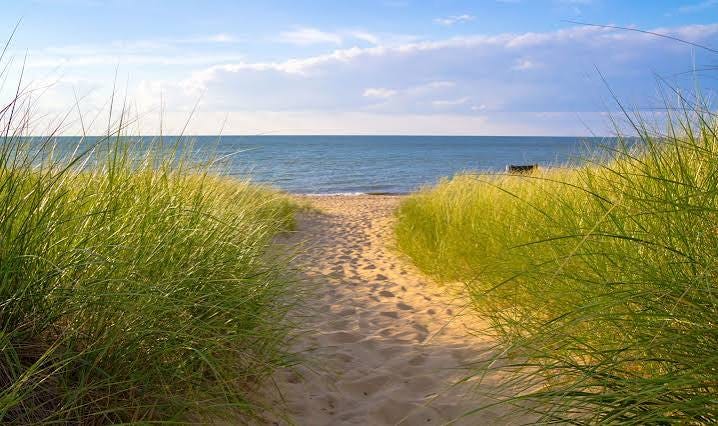
Reading, I was at the same time myself, now, and eighteen again, sunbathing at a beach on Lake Michigan, the Rolling Stones playing on my transistor radio—on the cusp of my real life, no idea whatsoever what it would be.
You made me want to read it and reread those classics as well. Thanks! ❤️
Great post--and I think you've finally defined YA for everyone. Take credit :)
Rita